Beyond Refugee Trauma

Reflections, Information and Tools for Those Who Care for Survivors of Political Violence and Forced Migration

By Tanya (Tatjana) Elez, Ph.D.

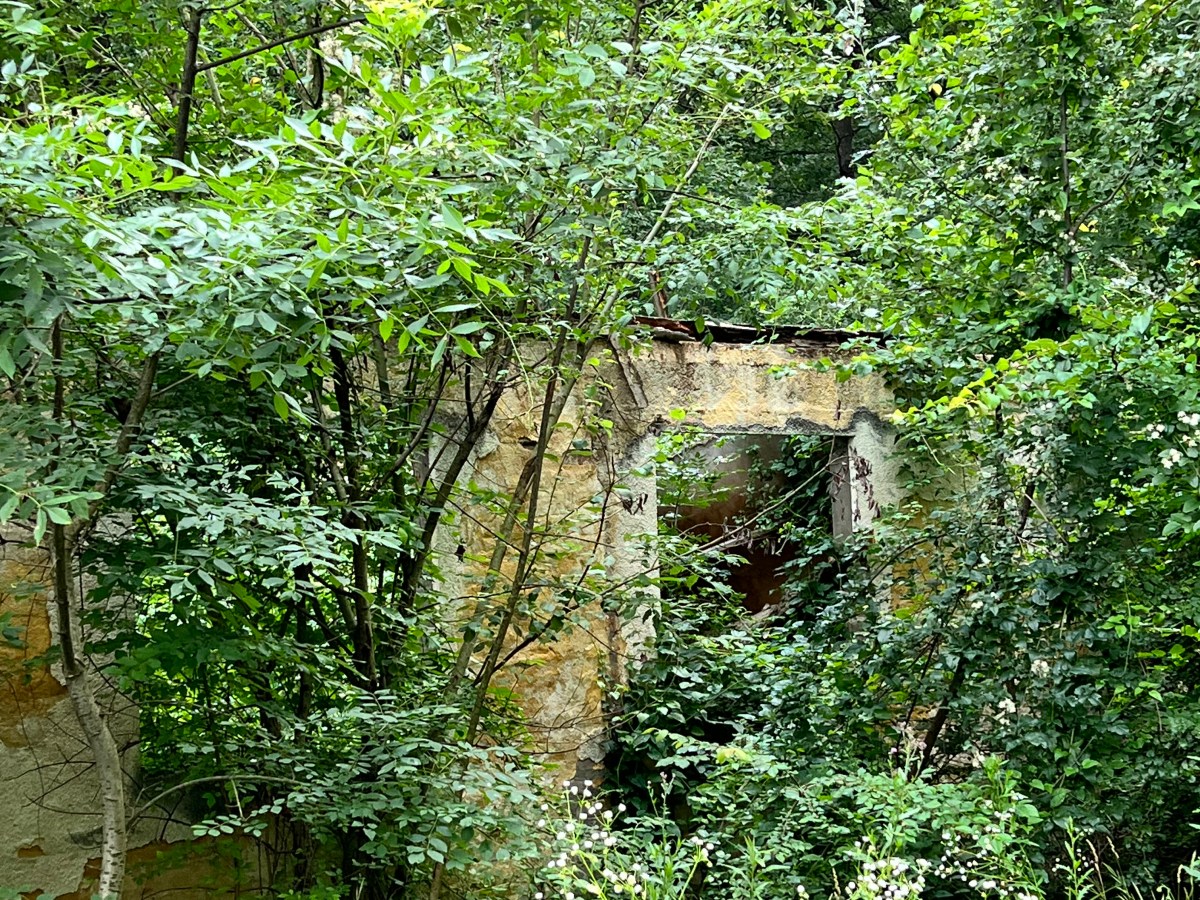
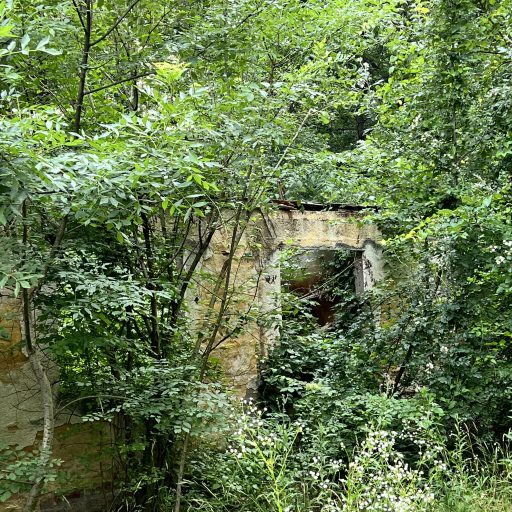
Remains of refugee camp Mikulja, Summer 2022

Latest Posts

The Power of Connection: How Refugee Families Stay Strong Across Borders

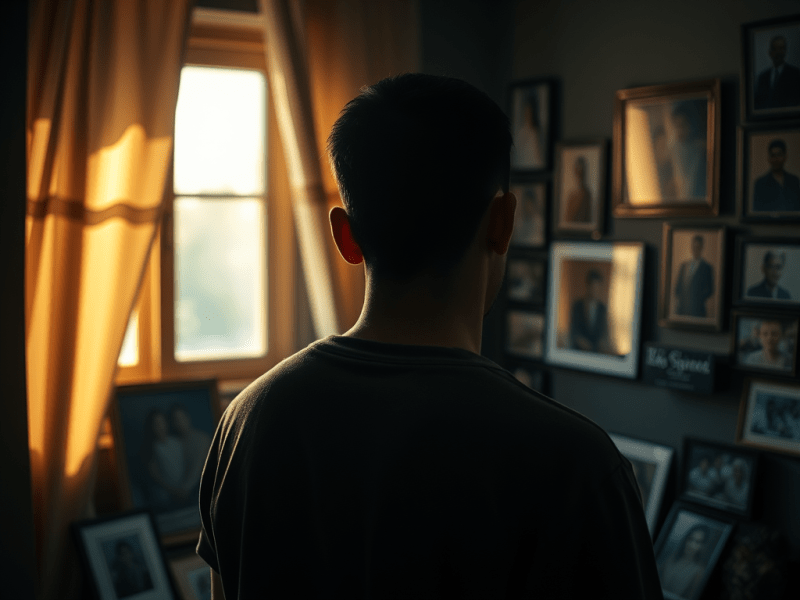
By Tanya Elez, Ph.D. When we think about the refugee experience, images of loss, separation, and hardship often come to mind. But behind every story of displacement is another story-one of resilience, love, and the enduring power of relationships. Yusef’s Journey: A Family Scattered, A Bond Unbroken Yusef was just 19 when his world changed…

The Role of Friendship in Refugee Resettlement

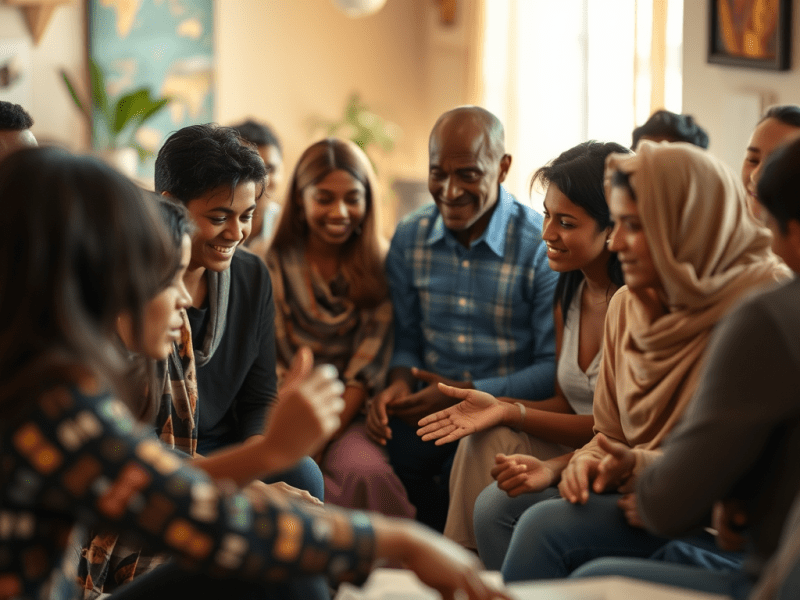
In the landscape of displacement and resettlement, friendships often emerge as a stabilizing force—particularly when ties to family are fractured or distant. For many refugees, these relationships become something more than friendship: they become a surrogate family. This shift is not only emotional but practical. Friends may be the ones who explain how to navigate…

10 Practical Tips for Clinicians Supporting Refugee Clients: A Relational Approach

By Tanya Elez, Ph.D. Working with refugees and asylum seekers means bearing witness to stories of loss, resilience, and the enduring power of human connection. As clinicians, we have a unique opportunity-and responsibility-to help clients rebuild and strengthen the relationships that sustain them through trauma and displacement. Here are ten practical, research-informed tips to guide…

Beyond Bloodlines — The Power of Friendship in Refugee Recovery

When we talk about refugee resilience and recovery, the conversation often centers on family. But for many displaced people, especially those separated from loved ones or navigating strained familial relationships, it is friendship—not family—that offers the most consistent source of emotional safety and belonging. Friendships can serve as lifelines. They buffer the effects of trauma,…

The Boy Who Waited by the Door

We called him Crumb. He was three or four years old but looked barely two—small, fragile, with curly brown hair and bright eyes that seemed far too knowing for his age. Crumb’s usual spot was by the door, hovering in the corner of the room as if always ready to slip away if things became…

The Role of Family in Overcoming the Challenges of Forced Migration

Yusef, a 19-year-old from a conflict zone, was the eldest son in his family. When his father was imprisoned and later disappeared, Yusef took on the responsibility of caring for his mother and younger siblings. However, as the political violence escalated, Yusef became the next target, forcing him to flee and leave his family behind.…

The Invisible Struggle: Refugees and Mental Health

A few decades ago, the field of psychotherapy had a much narrower focus—both in terms of who was included in research, theory, and interventions, and whose experiences were considered worthy of study. It is hard to believe that as recently as the 1970s, the field was largely silent on issues such as child abuse and…

Healing Refugee Trauma Through Relational Dynamics

In my forthcoming book, I explore the relational dimension of refugee trauma, highlighting both the challenges and opportunities for fostering healing in contexts of displacement. Through research, case studies, and reflections, I examine how professionals can work relationally to support refugees in rebuilding their lives. War and Political Violence as Relational Trauma Trauma researchers have…

Finding the Right Approach: Navigating Contradictions in Psychotherapy for Refugee Clients

Contradictions in the Field of Psychotherapy The field of psychotherapy is known for its contradictions. Over the past several decades, numerous studies have sought to prove the superiority of one model over another. Simpler psychotherapy models, which lend themselves more easily to research, are often perceived as more scientific because they are better empirically validated.…

Healing Refugee Trauma: The Power of Relationships

In my forthcoming book, I explore the relational dimension of refugee trauma, highlighting both the challenges and opportunities for fostering healing in contexts of displacement. Through research, case studies, and reflections, I examine how professionals can work relationally to support refugees in rebuilding their lives. War and Political Violence as Relational Trauma Trauma researchers have…

Rethinking Refugee Trauma: A systemic approach to healing

Thirty years ago, my first encounter with refugee trauma left me with more questions than answers. Since then, psychological research has made significant strides in understanding both the struggles and strengths of displaced populations. Scholars like Kira (2004) have emphasized the multiple layers of trauma—psychological, cultural, and environmental—while Miller and Rasmussen (2010) underscored the importance…